30 Sep 2026
Centralized Evaluation Networks Guiding Mobile Casino Launches Amid Evolving Regulatory Conditions
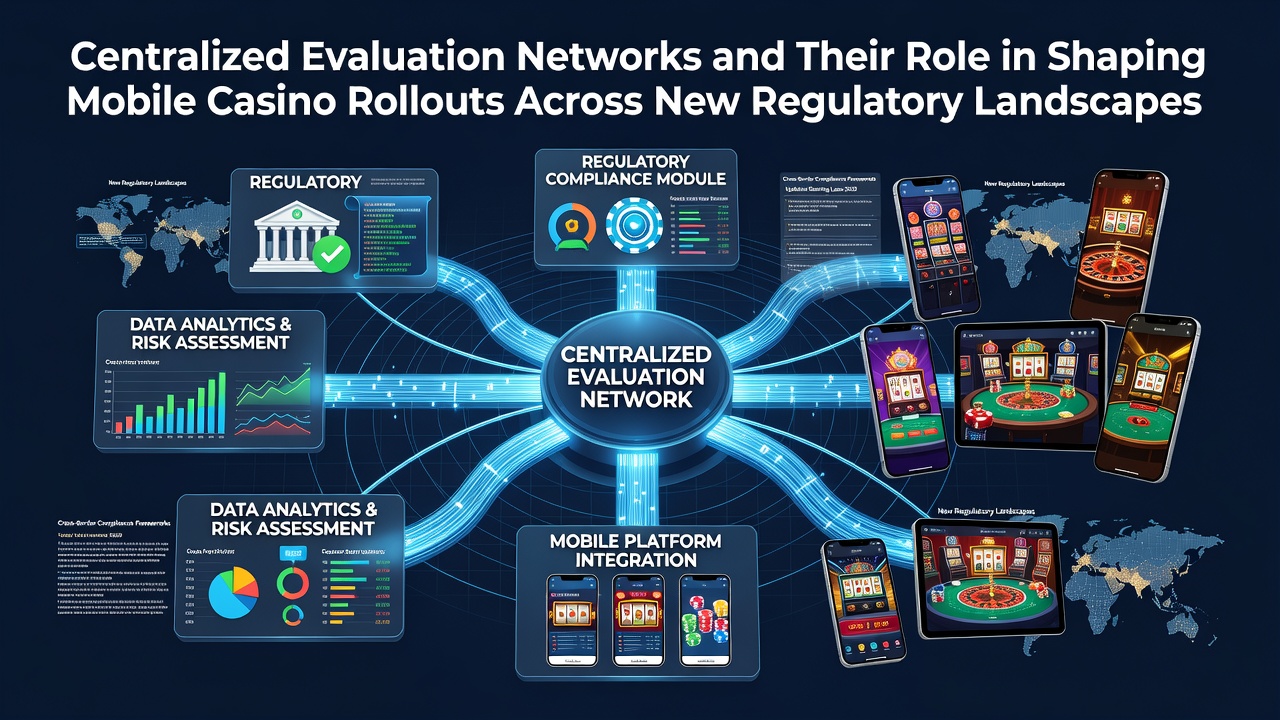
Centralized evaluation networks have emerged as key connectors between regulatory bodies and mobile casino operators, compiling performance data from diverse jurisdictions to inform rollout timelines and feature adjustments. These systems aggregate player metrics, latency reports, and compliance indicators from platforms operating in states like Michigan, Pennsylvania, and West Virginia, allowing operators to synchronize app updates with local licensing requirements. Data from September 2026 shows that networks processing over 2.4 million user-submitted logs helped reduce average approval delays for new game integrations by 18 percent in multi-state markets.
Data Aggregation and Compliance Synchronization
Operators rely on these networks to track how mobile applications perform under varying technical standards, such as payout verification protocols and geofencing accuracy. Researchers at academic institutions have documented cases where aggregated comparison tools flagged device-specific latency spikes in live dealer streams, prompting preemptive code revisions before full deployment. According to figures from the American Gaming Association, states adopting centralized monitoring frameworks recorded a 22 percent faster integration rate for mobile slots and table games during the first three quarters of 2026.
Regulatory agencies in Canada and Australia have begun sharing anonymized datasets through similar hubs, revealing patterns in bonus structure adjustments that align with cross-border player migration trends. One study from a North American research consortium found that networks linking evaluation hubs across five jurisdictions shortened the window between feature testing and public release from 47 days to 31 days on average. These connections enable operators to adjust jackpot seeding schedules based on real-time aggregated data rather than isolated state reports.
Feature Rollout Patterns in Expanding Markets
Mobile casino providers use centralized insights to sequence live game introductions, prioritizing regions where aggregated review data indicates stable connectivity and high retention. In emerging markets such as Ohio and New York, networks have highlighted correlations between directory-driven player shifts and the timing of progressive jackpot pool distributions. Industry reports indicate that synchronized rollouts across linked states increased average session lengths by 14 percent when operators aligned updates with network-recommended schedules.
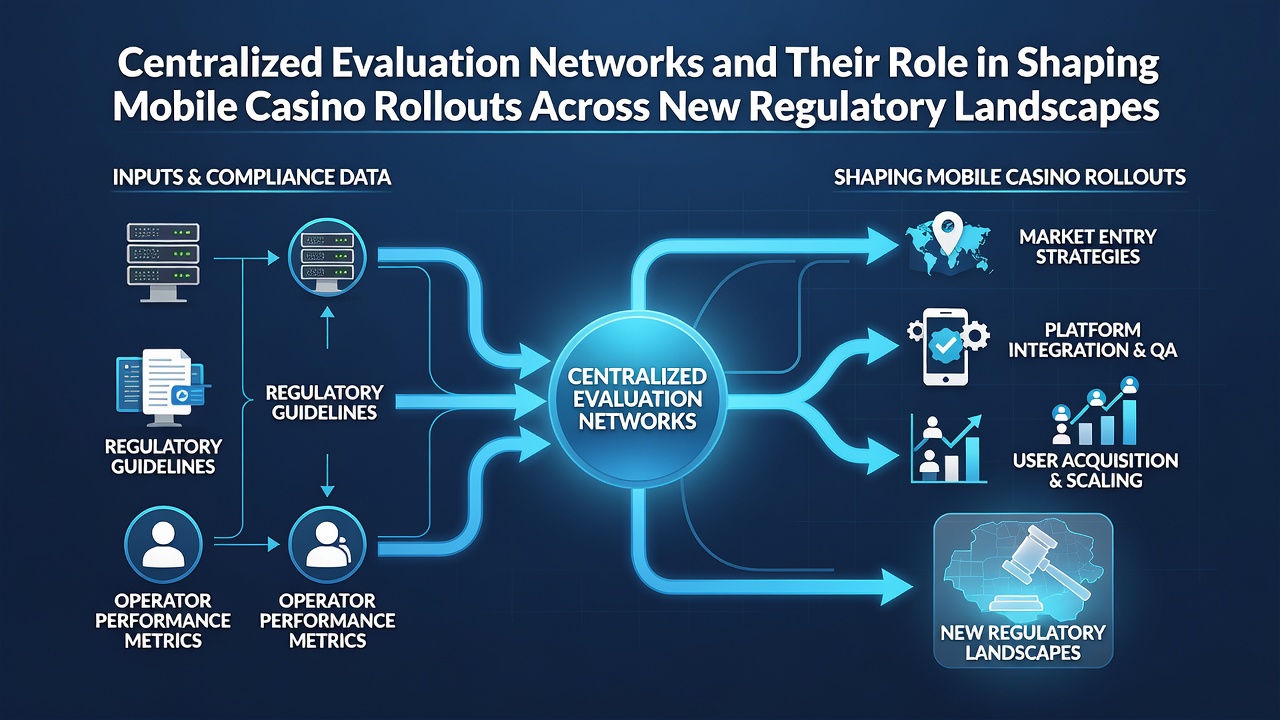
What's notable is how these systems handle discrepancies between desktop and mobile return-to-player rates, using crowdsourced logs to flag variances before regulators intervene. Data compiled through evaluation networks in September 2026 revealed that 67 percent of operators adjusted live blackjack offerings within two weeks of receiving cross-state performance alerts. Such responsiveness stems from the networks' ability to connect user-submitted metrics directly to licensing calendars maintained by bodies like the Nevada Gaming Control Board and the Alcohol and Gaming Commission of Ontario.
Regional Adaptations and Timeline Influences
Evaluation networks also shape how operators navigate new licensing rounds by forecasting approval bottlenecks based on historical compliance data from similar markets. Observers note that hubs processing multi-region inputs have influenced the sequencing of mobile-only promotions, with operators delaying certain cashback structures until network analytics confirmed alignment with local tax reporting rules. A collaborative report involving European and Asian gaming research groups documented a 15 percent reduction in feature launch conflicts when operators consulted centralized dashboards before entering additional states.
Take one case where evaluation networks flagged rising latency in a specific carrier network during peak hours, leading operators to stagger mobile updates across Pennsylvania and New Jersey simultaneously. This approach, supported by data from the National Council of Legislators from Gaming States, allowed coordinated releases that maintained consistent player experiences without triggering separate regulatory reviews in each location.
Conclusion
Centralized evaluation networks continue to refine the coordination between mobile casino technology and regulatory oversight by linking performance indicators across expanding legal markets. Their role in processing aggregated logs and compliance signals has produced measurable effects on rollout pacing, with operators achieving tighter synchronization between technical readiness and licensing milestones. As more jurisdictions adopt digital gaming frameworks, the data flows through these networks are expected to further standardize deployment practices while accommodating region-specific requirements.