14 Oct 2026
Networked Evaluation Platforms Reshaping Jackpot Allocation Patterns in Emerging Gaming Markets
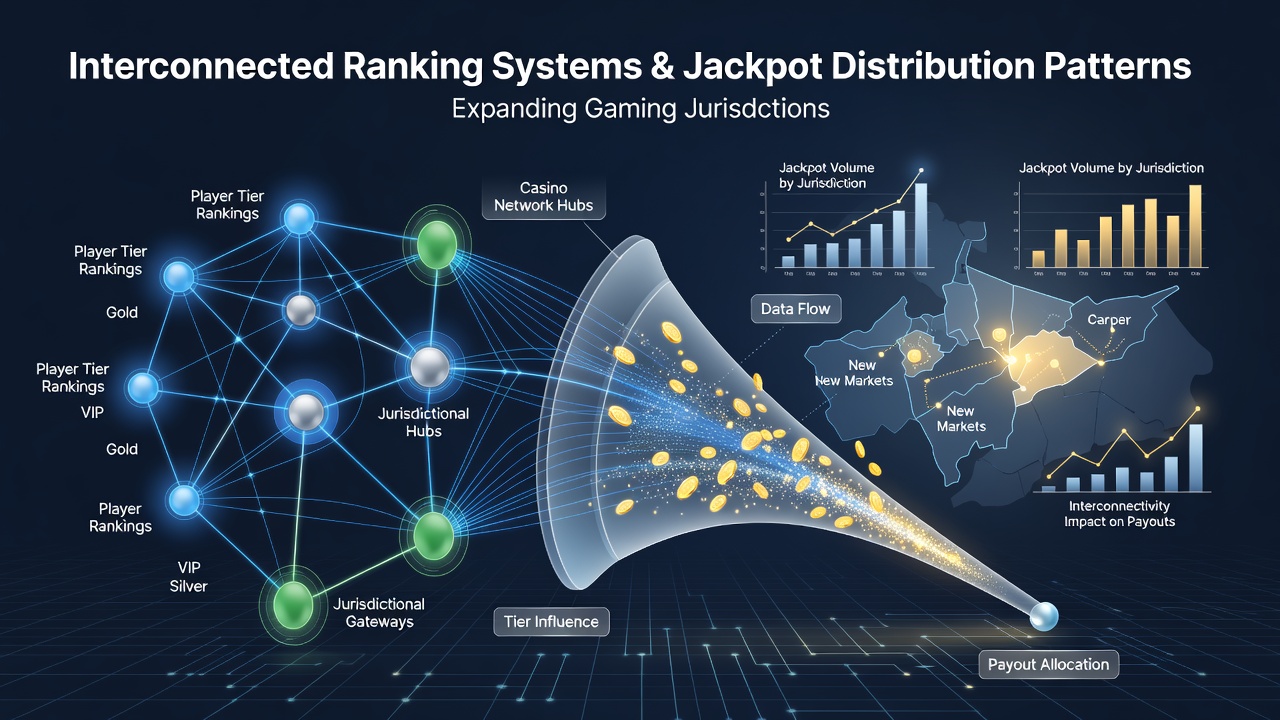
Interconnected ranking systems now link player data across state lines and new regulatory zones, creating measurable shifts in how jackpot pools form and seed in expanding markets. These networks aggregate reviews, performance metrics, and migration patterns, which operators monitor when deciding where to allocate progressive contributions and seed funds. Data from October 2026 shows several multi-state platforms adjusting distribution schedules within weeks of aggregated ranking updates.
Mechanics Behind Cross-Linked Evaluation Networks
Ranking platforms collect user-submitted logs on game performance, bonus cycles, and payout timelines, then feed those signals into centralized comparison tools. Operators in newly legalized areas receive alerts when certain titles climb or drop in visibility rankings, prompting them to adjust contribution rates to shared jackpot pools. This process accelerates because the same evaluation algorithms often operate across borders, allowing a spike in one jurisdiction to influence seeding decisions hundreds of miles away within days.
Studies from the American Gaming Association indicate that platforms covering multiple states record faster jackpot growth in regions where review aggregation tools highlight recent player activity. The connection occurs because ranking visibility directly correlates with player volume, and higher volume increases the frequency of jackpot triggers that reset pool sizes.
Observed Effects on Distribution Patterns
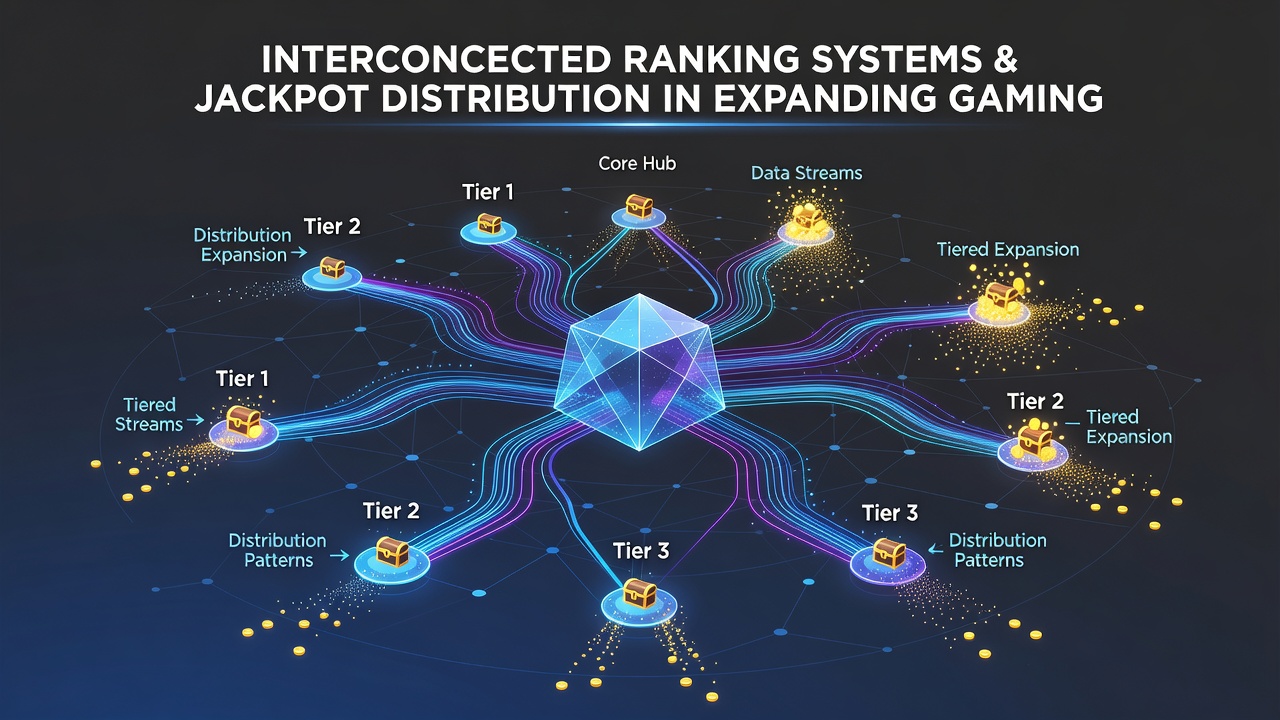
Evidence from expanding markets reveals that casinos in newer jurisdictions often delay major jackpot seeding until their titles reach certain thresholds on aggregated leaderboards. This timing strategy stems from the recognition that ranking position influences how quickly external players migrate across state platforms, thereby feeding into shared progressive pools. When a game appears in top positions on multiple linked directories, operators increase contributions because the expected player influx raises the probability of earlier triggers.
Researchers tracking these patterns note that synchronization occurs most visibly during the first twelve months after legalization in a new state. Jackpot pools in those markets tend to receive larger initial seeds once ranking systems begin reflecting positive performance data from neighboring jurisdictions. The result appears in monthly revenue reports where progressive contributions rise in tandem with directory visibility metrics rather than local player counts alone.
Regional Examples and Data Trends
Operators in Michigan and Pennsylvania have documented cases where ranking-driven player shifts altered jackpot reset values within a single quarter. When evaluation hubs flagged improved mobile performance for specific progressive titles, contribution percentages increased and pools grew at accelerated rates compared to periods without ranking movement. Similar adjustments appeared in Ontario after linked review tools began highlighting cross-border availability, according to figures released by the Ontario Lottery and Gaming Corporation.
Philippine Amusement and Gaming Corporation reports from mid-2026 further illustrate the pattern: jurisdictions that incorporated aggregated ranking data into their rollout schedules saw jackpot pools stabilize faster than those relying solely on local metrics. The difference emerged because external player interest, guided by directory visibility, supplemented domestic contributions before local markets reached maturity.
Technical Integration and Timing Adjustments
Modern ranking systems employ algorithms that weight recent submissions more heavily, creating rapid feedback loops. When a new jurisdiction launches, operators monitor these weighted signals to decide whether to front-load jackpot seeds or maintain standard contribution rates. The decision hinges on how quickly titles appear in cross-linked comparisons, which in turn depends on early player logs submitted through mobile and desktop interfaces.
Those who track these systems observe that delays in ranking integration often coincide with slower jackpot growth, while swift inclusion produces earlier pool expansions. This relationship holds across multiple regulatory environments because the underlying data pipelines remain consistent regardless of local licensing rules.
Conclusion
Interconnected ranking systems continue to influence jackpot distribution by directing player attention and altering contribution timing in expanding markets. The patterns documented through October 2026 demonstrate that operators increasingly calibrate seeding decisions to aggregated visibility metrics rather than isolated regional data alone. As more jurisdictions legalize gaming activities, these networked evaluation tools will likely maintain their role in shaping how progressive pools accumulate and reset across state and national boundaries.