16 Sep 2026
Sequencing Deposit Match Promotions: The Role of Curation Algorithms in Multi-Region Gaming Platforms
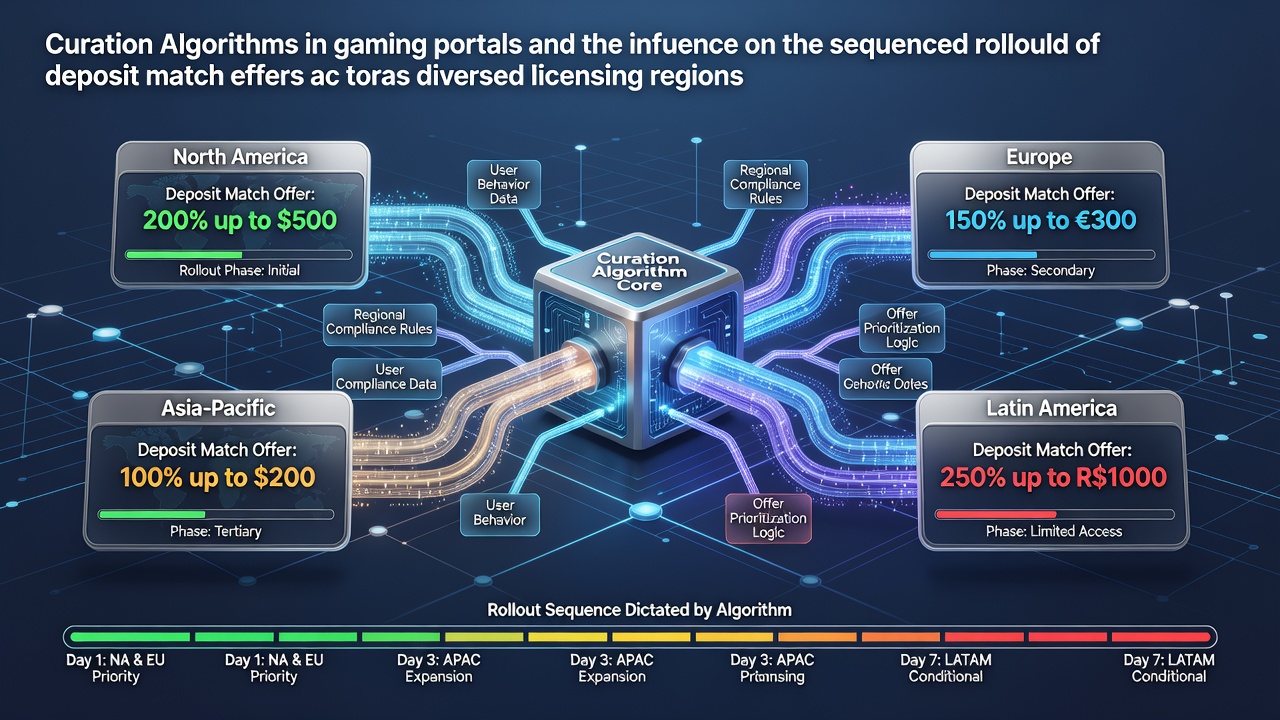
Deposit match offers appear in gaming portals according to sequences set by curation algorithms that weigh regulatory clearance timelines, regional player activity data, and licensing requirements before any promotion reaches users in a given jurisdiction. These systems process approval dates from bodies such as the Massachusetts Gaming Commission alongside metrics collected from operator dashboards to determine which market sees a particular bonus first, second, or later in the cycle.
Core Mechanics of Algorithmic Prioritization
Algorithms evaluate several inputs at once including the date a licensing authority signs off on a promotion structure, historical conversion rates within each region, and the volume of active accounts recorded during the prior quarter. Data from September 2026 shows portals releasing matched deposit offers in Ontario markets ahead of those in Michigan because clearance arrived earlier from the Alcohol and Gaming Commission of Ontario while Michigan operators waited on additional compliance checks from the Michigan Gaming Control Board.
Once approvals clear, the system ranks regions by projected uptake derived from aggregated session lengths and deposit frequency logs submitted by operators. Portals then schedule the first wave for the highest-ranked area, followed by staggered releases to secondary markets where regulatory language requires extra disclosure text or where local tax structures alter the net value of the match percentage.
Regional Licensing Influences on Rollout Timing
Licensing regions impose distinct documentation standards that feed directly into algorithmic sequencing. European operators operating under Malta Gaming Authority rules must submit translated terms and responsible gaming addendums before a match offer activates, whereas New Jersey platforms face shorter review windows once the Division of Gaming Enforcement receives the initial filing. The resulting time gaps create predictable orderings: portals often push offers to New Jersey users within 48 hours of approval while holding the same structure for Malta-licensed sites until the full multilingual package clears.
Observers tracking September 2026 patterns noted that portals serving both Pennsylvania and West Virginia markets released deposit matches in Pennsylvania first because the Pennsylvania Gaming Control Board publishes its decisions on a fixed weekly schedule, allowing algorithms to lock in dates earlier than the more variable West Virginia Lottery Commission process.
Data Inputs That Shape Sequence Decisions
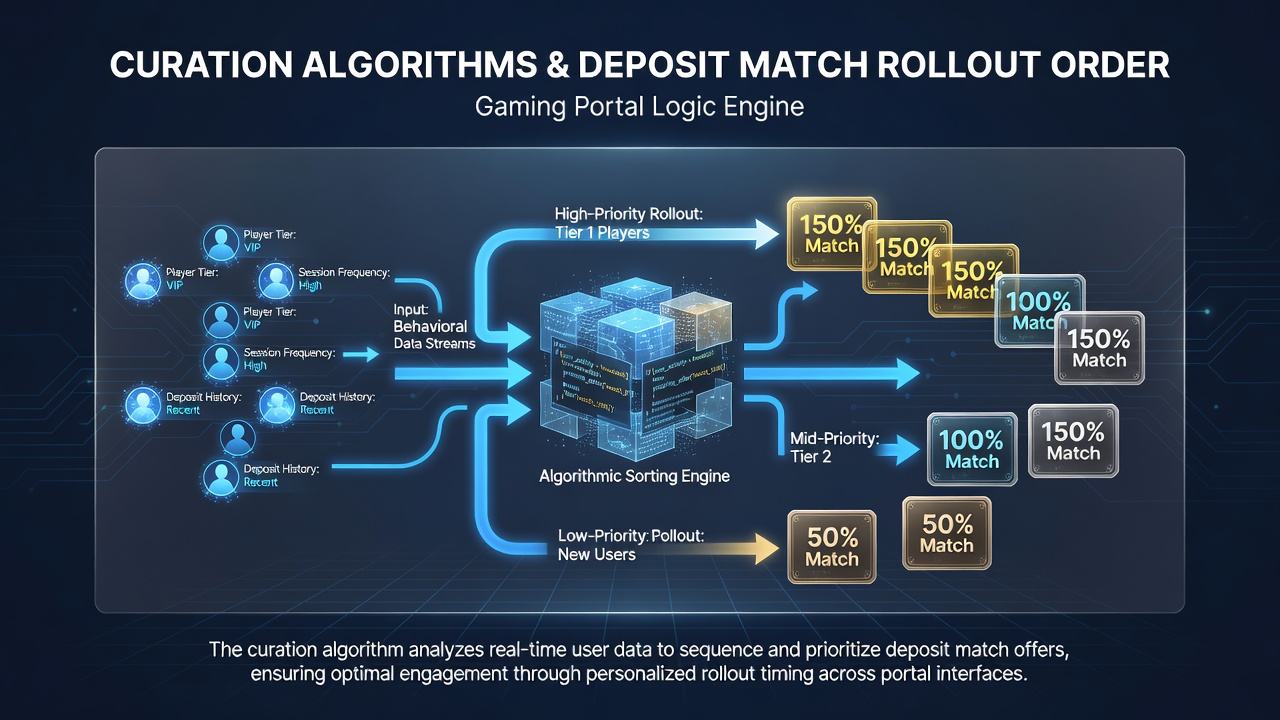
Curation algorithms pull from multiple sources to build each sequence. Player migration logs, collected through comparison tools that record when users switch between portals, help rank regions by retention likelihood after a match offer lands. Deposit velocity figures supplied by operators further refine the order, giving priority to jurisdictions where average first deposits exceed a calculated threshold.
One study released by researchers at the University of Nevada, Reno examined how these inputs interact across multi-state operators and found that portals consistently scheduled higher match percentages for markets with elevated average session values before moving identical offers to lower-volume regions. The sequencing reduced the risk of simultaneous bonus fatigue across overlapping player bases.
Practical Examples from Recent Rollouts
During September 2026, several major portals introduced a 100 percent deposit match capped at 500 dollars. The algorithm placed the offer first in Michigan after the Michigan Gaming Control Board completed its review, then shifted to Pennsylvania once daily active user data indicated room for additional promotional volume. Operators in New York received the same structure only after the New York State Gaming Commission confirmed compliance with updated advertising guidelines.
Similar patterns appeared in cross-border Canadian operations where portals aligned releases with provincial timelines set by regulators in Ontario and British Columbia. The system held back the match percentage in Atlantic Canada provinces until local licensing language received final sign-off.
Conclusion
Curation algorithms in gaming portals establish rollout sequences for deposit match offers by combining regulatory approval dates, regional performance data, and licensing documentation requirements into a single prioritization framework. This process produces consistent ordering across jurisdictions while adapting to the specific timelines imposed by each licensing authority. As more regions formalize their review procedures, the underlying data models continue to adjust sequencing logic to match evolving clearance schedules and player activity patterns.